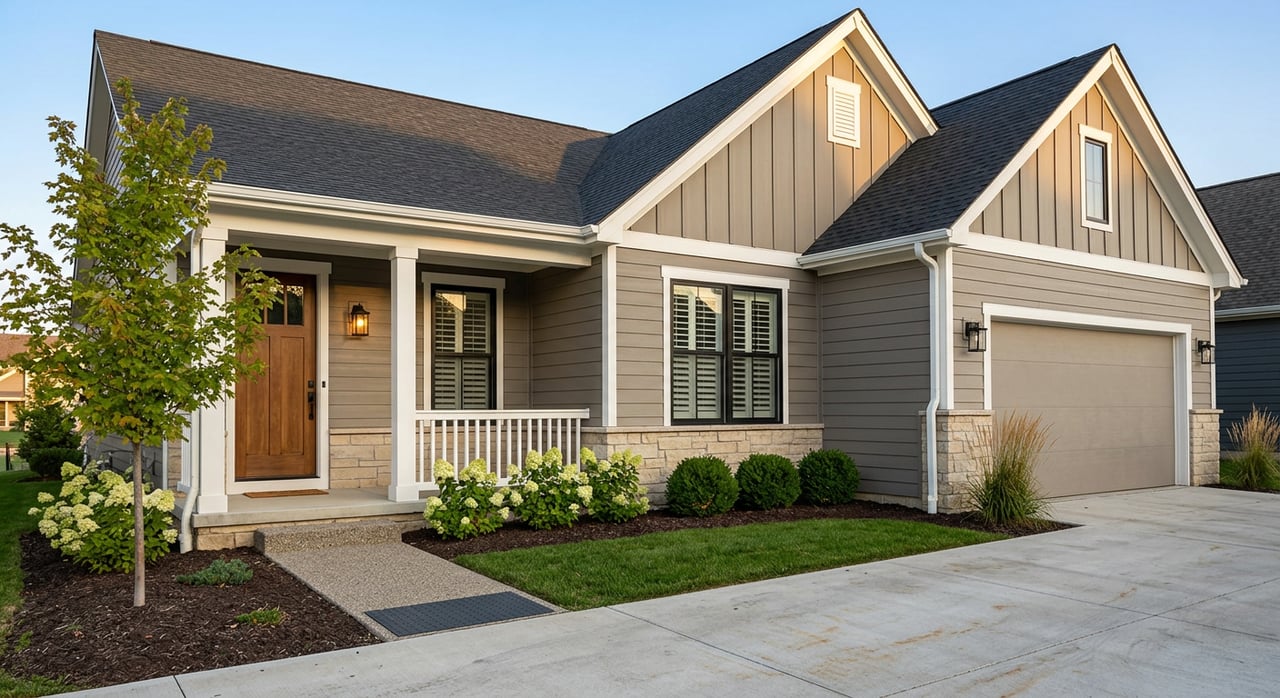
Thinking about putting your savings to work with a Kansas City, KS rental? You’re not alone. Wyandotte County’s price-to-rent balance makes it a popular first step for new investors. In this guide, you’ll learn the local numbers, the rules that matter, the financing paths that work for first-timers, and a simple worksheet you can run on any property. Let’s dive in.
Kansas City, KS market snapshot
Wyandotte County offers entry points that are easier on the budget than many metro areas. Zillow reports an average home value near $198,000 and a median sale price around $218,000 as of late 2025, with average asking rent near $1,260 per month as of early 2026. You can explore the county snapshot on Zillow’s Wyandotte County page for context on prices and rents.
Neighborhoods vary by age and housing type. Many first-time buyers look at economical single-family homes and small multifamily in areas such as Armourdale, Strawberry Hill, and Rosedale, plus parts of Piper and Bonner Springs. Much of the housing stock is older, which can mean value-add opportunities if you are comfortable with renovations and conservative budgets.
Tip on timing: inventory and negotiation leverage shift with the seasons. Winter often brings a bit more inventory and patient sellers compared with peak spring months. Build your search calendar around that reality.
A simple 5-step plan to buy your first KCK rental
1) Set your budget and lane
- Define total capital available for down payment, closing costs, and initial repairs.
- Decide your property type: single-family home, duplex, or small multifamily.
- Clarify strategy: buy-and-hold long-term rental or a BRRRR-style buy, rehab, rent, refinance, repeat.
2) Run the numbers the same way every time
Start with five inputs for a quick screen:
- Purchase price (P)
- Expected monthly rent (R). County average is roughly $1,260; verify street-level comps.
- Vacancy factor (v). Use 5–8% for well-maintained single-family.
- Operating expenses (OE). Budget 35–50% of gross rent for taxes, insurance, management, and maintenance.
- Debt service. Get a lender quote for rate, term, and down payment.
Use these three formulas:
- Monthly NOI = (R × 12 × (1 − v)) − annual operating expenses
- Cap rate = NOI / Purchase price
- Cash-on-cash return = Annual cash flow after debt service ÷ Total cash invested at closing
Example (illustrative, county-level):
- Purchase price: $180,000
- Projected rent: $1,300 per month → annual gross = $15,600
- Vacancy 8% → effective rent = $14,352
- Operating expenses at 45% of gross ≈ $7,020
- NOI ≈ $14,352 − $7,020 = $7,332
- Going-in cap rate ≈ $7,332 ÷ $180,000 ≈ 4.07%
Notes:
- For value-add plays, you’ll often target a higher stabilized cap rate than the going-in number.
- For BRRRR, model your refinance using a conservative ARV and lender seasoning rules.
3) Check the rules before you write the offer
- Long-term rentals: Review Kansas security deposit caps, required notices, and move-out timelines.
- Short-term rentals: KCK regulates STRs through a Special Use Permit with required steps and approvals. If your plan includes STR income, verify parcel-level eligibility and permit process with the Unified Government.
- Pre-1978 homes: Plan for lead-based paint disclosure and safe work practices in any renovation.
4) Pick a financing path that fits the deal
Your financing should match the property condition, your occupancy plan, and your timeline to stabilize and hold. See the “Financing options” section below for a quick menu.
5) Plan operations and reserves
- Property taxes: Kansas assesses residential property at about 11.5% of market value to derive the assessed value used with the local mill levy. Use assessed value × total mills ÷ 1,000 for an estimate.
- Insurance: Older homes may need updated roofs, electrical, or HVAC. Get quotes early and check flood maps for low-lying areas near the Kansas River.
- Management and maintenance: Many owners budget professional management at 8–12% of collected rent, plus lease-up fees. Turnovers and repairs drive real cash flow, so stay conservative.
Financing options that work in KCK
- Owner-occupant FHA for 2–4 units. Buy a duplex to fourplex with as little as 3.5% down if you live in one unit. You must occupy within about 60 days and plan to stay roughly a year. FHA 203(k) can wrap rehab into one loan. This is a common “house hack” path for first-time investors.
- Conventional HomeStyle renovation. Fannie Mae’s HomeStyle lets you combine purchase and renovation in one mortgage. Investor use is possible with higher down payment and stricter qualifications. Good fit when you want a single-loan rehab solution with conventional terms.
- Hard-money or bridge loan for BRRRR. Short-term lenders can fund fast acquisitions and rehab on fixer properties. Costs are higher, but speed and flexibility can unlock value-add deals. Plan your refinance path before you close.
- DSCR and other non-QM investor loans. These loans underwrite to the property’s cash flow rather than your W-2 income. Minimum DSCR often ranges from about 1.0 to 1.25 depending on lender and property. Useful if you prefer an LLC or if personal income is not a fit for conventional.
- Refinance timing and seasoning. Many conventional cash-out refinances require around six months of ownership before you can pull cash out. Build this into your BRRRR timeline so you are not forced to sell or bring extra cash.
Learn more:
- Review FHA owner-occupancy and multi-unit rules.
- See Fannie Mae’s HomeStyle Renovation overview.
- Read a DSCR loan primer if you plan to qualify by property cash flow.
- Check a conventional guideline reference on typical refinance seasoning.
Local rules and landlord-tenant essentials in Kansas
Here are the Kansas items that most affect your cash flow and timelines:
- Security deposits. The cap is generally one month’s rent for unfurnished units and 1.5 months for furnished. A separate pet deposit up to 0.5 month may be allowed. After move-out, provide an itemized statement and return any balance within 14 days after determining damages, but no later than 30 days after lease end and surrender of possession.
- Nonpayment and lease violations. Kansas typically requires a 3-day written notice to pay or vacate for nonpayment. For other material breaches, the 14/30 rule applies: 14 days to cure or termination after 30 days. These timelines shape worst-case holdover assumptions in your underwriting.
- Move-in condition inventory. Complete and sign a written inventory with the tenant at move-in. Good documentation protects both sides and helps with security deposit accounting.
- Short-term rentals in KCK. The Unified Government regulates STRs through Planning & Urban Design. Expect a Special Use Permit process that can include inspections, hearings, a business license, insurance, and transient taxes. This adds time and cost compared with long-term rentals.
Watch out if you buy across the state line:
- Kansas City, Missouri uses a formal rental registration and inspection program, while KCK relies on complaint-driven interior inspections and a special-use approach for STRs. Do not assume the same compliance steps apply on both sides.
Costs to budget for in KCK
- Property taxes. Estimate using assessed value at about 11.5% of market value, multiplied by the parcel’s total mill levy, then divide by 1,000. Verify parcel-specific mills with the county treasurer or parcel viewer.
- Insurance. Get quotes early, especially for older roofs, electrical panels, or properties near flood-prone areas. Factor in landlord policy premiums and optional flood insurance if applicable.
- Management and maintenance. If you self-manage, still budget for lease-up, marketing, and 24/7 maintenance response. If you hire a manager, plan on 8–12% of collected rent plus leasing fees. Set aside reserves for turnovers and capital items like HVAC or roofs.
- Utilities and services. Confirm who pays for water, sewer, trash, lawn, and snow. Lease structure and utility responsibility can move your expense ratio by several points.
Common pitfalls and how to avoid them
- Overestimating ARV and refinancing too soon. BRRRR fails most often when refinance proceeds arrive later or lower than planned. Use conservative ARV comps and confirm seasoning rules with your target lender.
- Treating KCK and KCMO as interchangeable. Lease forms, inspection programs, and local processes differ. Use state-appropriate leases and verify local ordinances before listing.
- Ignoring permit and zoning steps for STRs. If your plan relies on short-term income, confirm parcel eligibility and the Special Use Permit timeline before you buy.
- Under-budgeting expenses. Older homes often need more frequent repairs. Use the 35–50% operating expense range as a starting point and adjust with real quotes for taxes and insurance.
Next steps
- Get pre-approved and ask two lenders for quotes on the paths that fit your strategy.
- Build your deal screen. Use the NOI, cap rate, and cash-on-cash formulas above on every property.
- Verify compliance. If considering STRs, call the Unified Government Planning & Urban Design team. For long-term rentals, review Kansas notice periods and deposit rules and set up your move-in inventory checklist.
- Walk the property like an operator. Price out key systems, confirm utility setup, and run a conservative P&L with vacancy and reserves.
If you want a pragmatic partner who knows both sides of the KC metro and the economics behind flips, BRRRR, and holds, connect with our team at McQueeny Goodwin. We can help you source, underwrite, negotiate, and close your first KCK rental with a clear plan.
FAQs
What are typical home prices and rents for first rentals in Kansas City, KS?
- Zillow lists an average home value near $198,000 and a median sale price around $218,000, with average asking rent about $1,260 per month; verify street-level comps before you write an offer.
How do I estimate property taxes for a Wyandotte County rental?
- Kansas uses an assessed value of about 11.5% of market value; multiply the assessed value by the parcel’s total mill levy and divide by 1,000 to estimate the annual bill.
What notice is required to evict a nonpaying tenant in Kansas?
- For nonpayment, Kansas generally requires a 3-day written notice to pay or vacate; for other material lease violations, the 14/30 rule applies with 14 days to cure before termination after 30 days.
Can I buy a duplex in KCK with low down payment if I live in one unit?
- Yes, FHA financing can allow as little as 3.5% down on 2–4 unit properties if you occupy one unit and meet FHA occupancy rules; consider FHA 203(k) if you need rehab financing.
Do I need a permit to run an Airbnb in Kansas City, KS?
- Most short-term rentals in KCK require a Special Use Permit with inspections, hearings, a business license, insurance, and tax compliance; confirm parcel-level eligibility and timeline before you buy.
What is a DSCR loan and why would I use one in KCK?
- A DSCR loan qualifies the property based on its rent relative to expenses and mortgage payment, which can help if you prefer an LLC structure or your personal income does not fit conventional underwriting.
Zillow’s Wyandotte County page | KCK short-term rental process | Kansas Legal Services: tenant rights | Kansas deposit statute summary | FHA occupancy overview | Fannie Mae HomeStyle | DSCR loan primer | Conventional seasoning reference | Kansas property tax basics | KCK vs KCMO rule differences