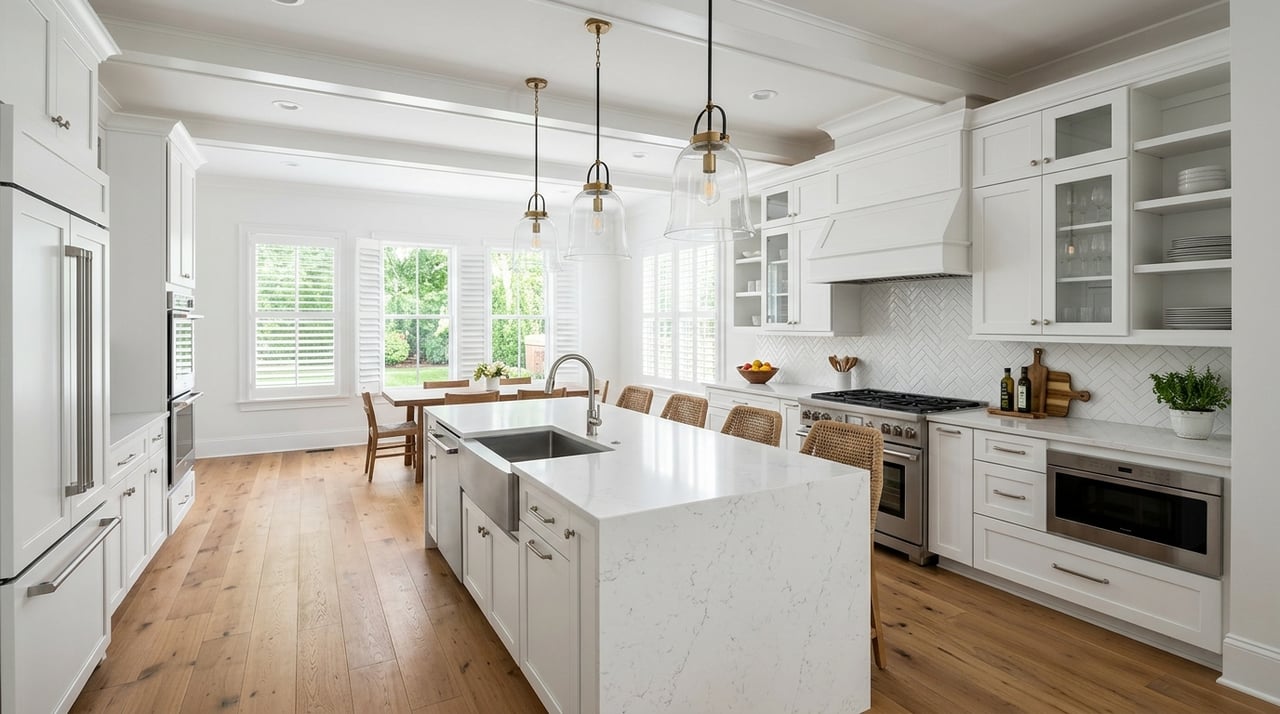
Wondering why one Olathe home gets strong interest in the first week while another sits? In a market where some homes move quickly and others take longer, pricing your home right matters more than ever. If you want to sell with confidence, the best strategy is to base your asking price on local comps, your home’s condition, current competition, and timing. Let’s dive in.
Why pricing matters in Olathe
Olathe is active, but it is not one-size-fits-all. According to Redfin’s Olathe housing market data, homes in the city have recently sold in about 27 days on average, with many receiving multiple offers and selling around 1% above list price. At the same time, broader snapshots can look very different depending on the source and what it measures.
For example, Redfin focuses on recent sales activity, while Zillow tracks a home value index and Realtor.com reflects current listings and time on market. The research shows Zillow’s average home value in Olathe was $433,117 as of March 31, 2026, while Realtor.com reported 893 homes for sale, a median listing price of $623,000, and a median 56 days on market in February 2026. These numbers are useful for context, but they should not be treated as your home’s exact value.
That is why a citywide average is only the starting point. The right price for your home depends on what similar homes nearby have actually sold for, how your property compares in condition, and how much competition you face when you hit the market.
Start with true local comps
The foundation of smart pricing is a strong comparable market analysis, often called a CMA. According to the National Association of Realtors consumer guide on pricing your home, comps are similar properties that recently sold in the same area, and a CMA may also consider homes that are active or under contract. That matters because buyers compare your home to other available options in real time.
A true comp should be similar in several key ways, including:
- Location within the same general area of Olathe
- Similar square footage
- Similar number of bedrooms and bathrooms
- Similar age and style
- Similar lot size
- Similar condition and level of updates
The Consumer Financial Protection Bureau also supports this general valuation approach by noting that homes are compared with similar nearby properties and adjusted for features like size, beds, baths, and year built. In practice, that means your asking price should come from a narrow, realistic comp set, not from a county median or an online estimate alone.
Olathe neighborhoods can price very differently
One of the biggest pricing mistakes is comparing your home to the wrong part of town. Olathe is a segmented market, and neighborhood-level differences can be significant. According to Realtor.com’s Olathe overview, median listing prices vary widely across the city, from about $289,995 in Olathe Original Town to about $849,950 in Cedar Creek.
That range is exactly why broad averages can mislead sellers. If your home is in one Olathe neighborhood, buyers are usually comparing it with nearby homes of similar age, size, and finish level, not with every property listed across the city. A home in a newer subdivision, for example, may need a very different pricing strategy than a home in a more established area.
This is where neighborhood-level knowledge matters. The goal is not to chase the highest number you see online. The goal is to position your home where buyers see value right away.
Condition affects your list price
Even in a strong market, condition still matters. The NAR pricing guide notes that agents look at property condition, upgrades, renovations, and repairs or issues that should be addressed before listing. Buyers notice these details quickly, and they shape both showing activity and the offers you receive.
If your home has updated kitchens, refreshed bathrooms, newer systems, or strong curb appeal, those features can support a stronger price. On the other hand, deferred maintenance can reduce what buyers are willing to pay, especially when they have more inventory to choose from. Pricing as if every home is fully updated often leads to extra days on market and price reductions later.
This is also where investor-informed guidance can help. Not every repair needs to happen before you sell, but the cost and impact of unfinished projects should be reflected in the pricing strategy.
Market conditions shape your strategy
Pricing is not just about your house. It is also about the market around you. In the Johnson County March 2026 market update, the county reported a median sales price of $470,000, 39 days on market, 100.3% of original list price received, and only 1.8 months of supply.
Those numbers point to meaningful demand. Low supply and strong list-to-sale performance can support competitive pricing, especially for homes that show well and match what buyers want. But a strong market does not mean every home should be priced aggressively from day one.
The NAR guide explains that market conditions, interest rates, and a seller’s urgency all influence pricing decisions. If your goal is a fast, clean sale, pricing close to current market value often creates more momentum. If your timeline is more flexible, you may have more room to test the market, but there is still risk in starting too high.
Why overpricing can cost you
Many sellers assume pricing high leaves room to negotiate. Sometimes that feels safe, but it can backfire. When a home is priced above what buyers see in the local comp set, it may get fewer showings, weaker offers, and more time on market.
The danger is that the market sends feedback fast. If buyers skip your home in the first few weeks, you may miss the period when your listing feels newest and most relevant. A later price cut can help, but it rarely recreates the same first-impression advantage as getting the price right from the start.
In a market like Olathe, where public data suggests solid demand but different segments move at different speeds, overpricing can make your home look out of step with nearby competition. A sharp launch price often performs better than a hopeful one.
Appraisal risk is real
Your contract price is not the only number that matters. If the buyer is using financing, the appraisal can become a key checkpoint. According to the NAR pricing guide, if an appraisal comes in below the agreed price, the buyer and seller may need to renegotiate.
That is one more reason to avoid pricing based on optimism alone. A list price that stretches beyond recent comparable sales can create financing friction later, even if you find an interested buyer. Smart pricing helps you attract serious offers and reduces the chance of deal issues after you go under contract.
Timing can amplify pricing mistakes
Seasonality matters, even though there is no single perfect week for every seller. According to Realtor.com’s 2026 Best Time to Sell report, the week of April 12 through 18 has historically been the best week to list nationally, with homes selling 17% faster and getting 16.7% more views than average. NAR seasonal analysis also shows spring tends to bring stronger demand, faster sales, and firmer prices than the winter months.
Still, timing does not fix a bad price. In fact, it can magnify the result. In a slower late-fall or winter market, a home that is priced too high may sit even longer. A well-priced home, on the other hand, can still perform in an off-peak season because buyers recognize value.
For Olathe sellers, the takeaway is simple: use seasonality as a factor, not a shortcut. National trends can help frame expectations, but your pricing decision should be based on current local data.
A practical pricing approach for Olathe sellers
If you want to price your home right in Olathe, keep your process grounded in real numbers and current competition. A practical approach usually looks like this:
- Review recent sold comps near your home.
- Compare active and pending listings that buyers will also consider.
- Adjust for condition, updates, lot, size, and layout.
- Factor in current market pace and supply.
- Match the strategy to your timeline and goals.
This approach keeps you focused on what buyers are likely to do, not just what you hope they will do. It also helps you avoid the two biggest pricing mistakes: aiming too high because of an online estimate, or pricing too low without understanding demand.
What a strong pricing conversation should cover
A useful valuation conversation should go beyond a rough guess. It should include your likely comp set, nearby competition, your home’s strengths and weaknesses, and any pricing risks tied to condition or appraisal.
For many sellers, that clarity is what turns stress into a plan. When you understand how buyers are likely to view your home in the current Olathe market, you can make decisions with more confidence and fewer surprises.
If you are thinking about selling in Olathe, a data-driven pricing strategy is the best place to start. The team at McQueeny Goodwin can help you evaluate your home, review the local numbers, and build a pricing plan that fits your timeline and goals.
FAQs
What counts as a true comp when pricing a home in Olathe?
- A true comp is a recently sold home in the same general area with similar size, age, layout, condition, and features, with active and pending listings also helping show current competition.
How much do upgrades matter when pricing an Olathe home?
- Upgrades can support a stronger price, but only when they match what buyers value in your segment of the market and are weighed against the condition of similar nearby homes.
What happens if an appraisal comes in low on an Olathe home sale?
- A low appraisal can lead to renegotiation between the buyer and seller, which is why pricing close to supported market value is important from the beginning.
Should you price higher to leave room for negotiation in Olathe?
- Pricing too high can reduce showings and slow buyer interest, so a competitive list price often creates better momentum than building in too much negotiating room.
Does the time of year affect how you should price a home in Olathe?
- Yes, seasonality can influence buyer activity, but timing should support your pricing strategy rather than replace a local, comp-based valuation.