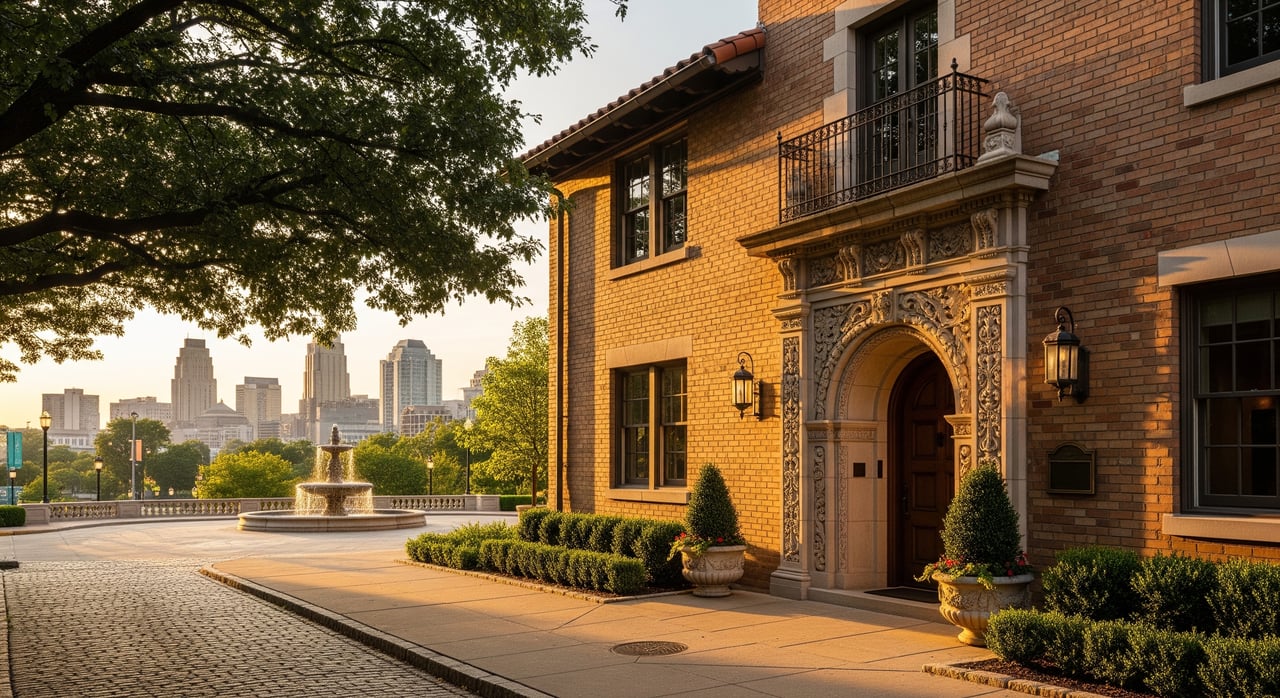
Thinking about a move to Kansas City, MO, but not sure what everyday life really looks like? You want enough space, a fair price, and access to real culture and food without big-city hassles. This guide gives you a clear picture of the Kansas City experience, especially in the Jackson County portions of the city. You will learn how neighborhoods differ, what it is like to get around, where people spend their free time, and how to decide if KC fits your lifestyle. Let’s dive in.
Kansas City, MO at a glance
Kansas City, MO is the largest city in the region with about 508,090 residents in the 2020 U.S. Census. The metro spreads across two states, but this guide focuses on the city proper, with special attention to the Jackson County side. You get a big-city footprint with plenty of lower-density neighborhoods, so the feel changes quickly from urban to suburban within a few miles.
Known as the City of Fountains, Kansas City blends a jazz legacy, a deep barbecue culture, and a passionate sports scene. Major cultural anchors in or near Jackson County include the Nelson-Atkins Museum of Art, the Kauffman Center for the Performing Arts, the American Jazz Museum and Negro Leagues Baseball Museum at 18th & Vine, Union Station, and the Crossroads Arts District.
The local economy is diverse. You see strong footprints in healthcare, education, professional services, and finance, along with known corporate presences like H&R Block and Hallmark. Jobs cluster in Downtown and around the Truman Sports Complex area in southeast Kansas City.
Neighborhoods and housing
Kansas City’s neighborhoods offer a wide range of styles and lifestyles. Here is a simple way to frame the options on the Missouri side, focusing on the Jackson County portions.
Downtown and River Market
If you want the most urban feel, Downtown, the Power & Light District, Crossroads, and River Market put you close to offices, events, and galleries. Typical housing includes lofts, condos, and mid-rise apartments. Walkability is higher here, and the modern streetcar connects key spots in the core.
Midtown and the Plaza area
Midtown, the Country Club Plaza, the Country Club District, Brookside, and Waldo offer a mix of historic homes, leafy streets, and active commercial corridors. The Plaza is a shopping and dining destination with higher walkability. You will find early-20th-century architecture and newer infill side by side.
Westport and nearby blocks
Westport, Volker, and Oak Park give you restaurant and nightlife access with a neighborhood feel. Housing includes older single-family homes and small multifamily buildings. If you want to be near activity but not in the middle of high-rise living, these areas are worth a look.
South Kansas City and Swope Park
South Kansas City offers larger-lot neighborhoods and a more suburban feel inside city limits. Swope Park, one of the city’s marquee parks, anchors the area with extensive green space and recreation. You will also see postwar subdivisions and newer single-family homes.
Eastside and 18th & Vine
The Eastside includes historic neighborhoods with rich cultural roots, including areas near 18th & Vine. Housing stock varies, and you will find ongoing redevelopment in some pockets. If you value cultural history and are open to investigating block-by-block differences, put time into on-the-ground visits.
What housing looks like
You will see a broad mix of architecture across the city:
- Downtown and Crossroads feature converted lofts, condos, and newer apartments.
- Central neighborhoods include bungalows, foursquare homes, brick Tudor and Cape Cod styles.
- South and outer neighborhoods feature ranches, split-levels, postwar suburban subdivisions, and newer single-family developments.
- Infill townhomes and new builds appear in multiple districts where lots allow.
Affordability and value
Kansas City has historically been more affordable than many U.S. metros. Downtown and Plaza-area condos and patio homes often command premiums. Many other city neighborhoods remain more budget-friendly than comparable areas in coastal cities. For current pricing, it helps to review recent local market reports and neighborhood-level sale data during your home search.
Getting around and daily logistics
Commute patterns and highways
Kansas City is car-centric for most residents. A robust highway network makes cross-city travel straightforward, including I-70, I-35, I-49 and US-71, and the I-435 beltway. Many commuters drive between city neighborhoods and nearby suburbs on a daily basis.
Transit and the streetcar
RideKC buses serve the region, with the strongest service in central corridors. The modern KC Streetcar links River Market, Downtown, the Crossroads, and Union Station. Coverage fades in lower-density residential areas, so plan for a car if you want maximum flexibility outside the core.
Schools and higher education
Kansas City Public Schools serve the core of the city, and you will also find charter and private options. Many families compare school options based on program fit, location, and transportation. Higher education choices include the University of Missouri–Kansas City in Midtown, Rockhurst University in south Kansas City, and the Kansas City Art Institute.
Safety and city services
City-wide violent crime rates have been higher than national averages, but safety varies by neighborhood and even by block. The best approach is local due diligence using police crime maps, recent reports, and neighborhood associations. Utilities, permits, and sanitation services can vary by municipality, so confirm details with the City of Kansas City and Jackson County before you move.
Culture, food, and outdoor life
Arts and music
Kansas City’s jazz legacy is rooted at 18th & Vine, where you can explore the American Jazz Museum and historic venues. In the Crossroads, galleries and studios come alive during First Fridays, a monthly open-studio event. For performance arts, the Kauffman Center hosts symphony, opera, and ballet programs, and mid-size venues round out the calendar.
Barbecue and dining
Kansas City–style barbecue is a core part of the city’s identity. Slow-smoked meats, sauce styles, and burnt ends show up on menus across town. Beyond BBQ, you will find clusters of restaurants in the Plaza, Crossroads, and River Market, plus a growing craft beer scene and local distilleries.
Sports and events
The Chiefs and Royals play at the Truman Sports Complex, drawing fans from across the region. Game days are a major cultural touchpoint. You will also find street fairs and festivals throughout the year, including arts events and neighborhood celebrations.
Parks, trails, and lakes
Green space is a real strength. Swope Park is the city’s largest park, with trails and recreation facilities. Jackson County also offers regional parks and lakes, including spots like Longview Lake and Fleming Park. Trails follow rivers and creeks, and new segments are added as projects move forward, so it is easy to build an outdoor routine.
Is Kansas City a fit for you?
Who tends to thrive here
- You want urban amenities with a lower cost profile than many large metros.
- You prefer single-family homes, larger lots, and easy access to parks.
- Your work connects to healthcare, education, professional services, finance, or corporate roles common in the region.
What to test before you decide
- Transit needs. If you rely on regional rail or high-frequency transit, options are limited outside central corridors.
- Safety priorities. Use block-level crime tools instead of city-wide averages to assess the streets you will live on and travel through.
- Walkability expectations. Some areas are very walkable, while many neighborhoods are car-dependent.
Quick visit checklist
- Drive your commute during peak morning and evening hours.
- Visit your target neighborhood on weekdays and weekends, daytime and evening.
- Test your transit or driving route to work and school before you sign a lease or contract.
- Confirm trash, recycling, and permit details, and review any HOA rules if they apply.
How we can help
A move to Kansas City is easier when you have a clear plan and local guidance. Our team combines high-volume execution with hands-on rehab and investor expertise, so you get practical pricing insight and a clean process from search to closing. If you want to explore neighborhoods, compare housing types, or model renovation options, we can help you map the steps and make a smart call.
Request a free home valuation or investment consultation with McQueeny Goodwin. We will align your goals with the right part of Kansas City and a plan that respects your time and budget.
FAQs
What is Kansas City, MO known for?
- A strong jazz and barbecue legacy, major arts institutions, and a passionate sports culture anchored by the Chiefs and Royals.
Which Kansas City neighborhoods feel most urban?
- Downtown, the Power & Light District, the Crossroads, and River Market offer the densest living, lofts and condos, and higher walkability.
How is public transit in Kansas City, MO?
- RideKC buses serve key corridors and the KC Streetcar runs in the core, but many neighborhoods are car-dependent for daily errands and commuting.
What should I know about schools in Kansas City, MO?
- Kansas City Public Schools serve the core, and families also consider charter and private options; compare programs and locations to find the best fit.
What types of homes will I find in Kansas City?
- Historic bungalows, foursquare, Tudor and Cape Cod homes, plus ranches, split-levels, newer single-family builds, and downtown lofts and condos.
Where can I enjoy the outdoors in Kansas City?
- Swope Park offers extensive green space, with additional trails along rivers and county parks and lakes like Longview Lake nearby for weekend time outdoors.